

In today's interconnected and busy worldwide economic climate, comprehending business details is vital for investors, stakeholders, and regulative bodies alike. The term "company information" encompasses a wide variety of data that companies are needed to pick or divulge to share. This can consist of financial reports, governance frameworks, functional strategies, and conformity with relevant laws. At its core, this information offers to supply openness, making it possible for stakeholders to make informed decisions about their participation with or investment in a company. Public business are particularly looked at, as they need to stick to strict coverage requirements established by governing agencies such as the Stocks and Exchange Payment (SEC) in the United States or the Financial Conduct Authority (FCA) in the UK.
Business information is not practically economic information; it likewise consists of insights right into a company's leadership, moral practices, social responsibility initiatives, and market efficiency. Lots of contemporary corporations publish yearly sustainability records that detail their initiatives in environmental preservation and social obligation. This move in the direction of greater openness shows an expanding public and capitalist interest in business values and sustainability, influencing exactly how firms operate. The introduction of digital innovation has changed how this details is disseminated and evaluated. Today, a vast array of systems and devices are offered to help stakeholders absorb complex datasets and make forecasts about future trends. This development has actually made company info extra accessible but likewise extra complicated to browse, highlighting the need for experienced analysts who can analyze this data properly and successfully.
Summary of Business Structure and Administration
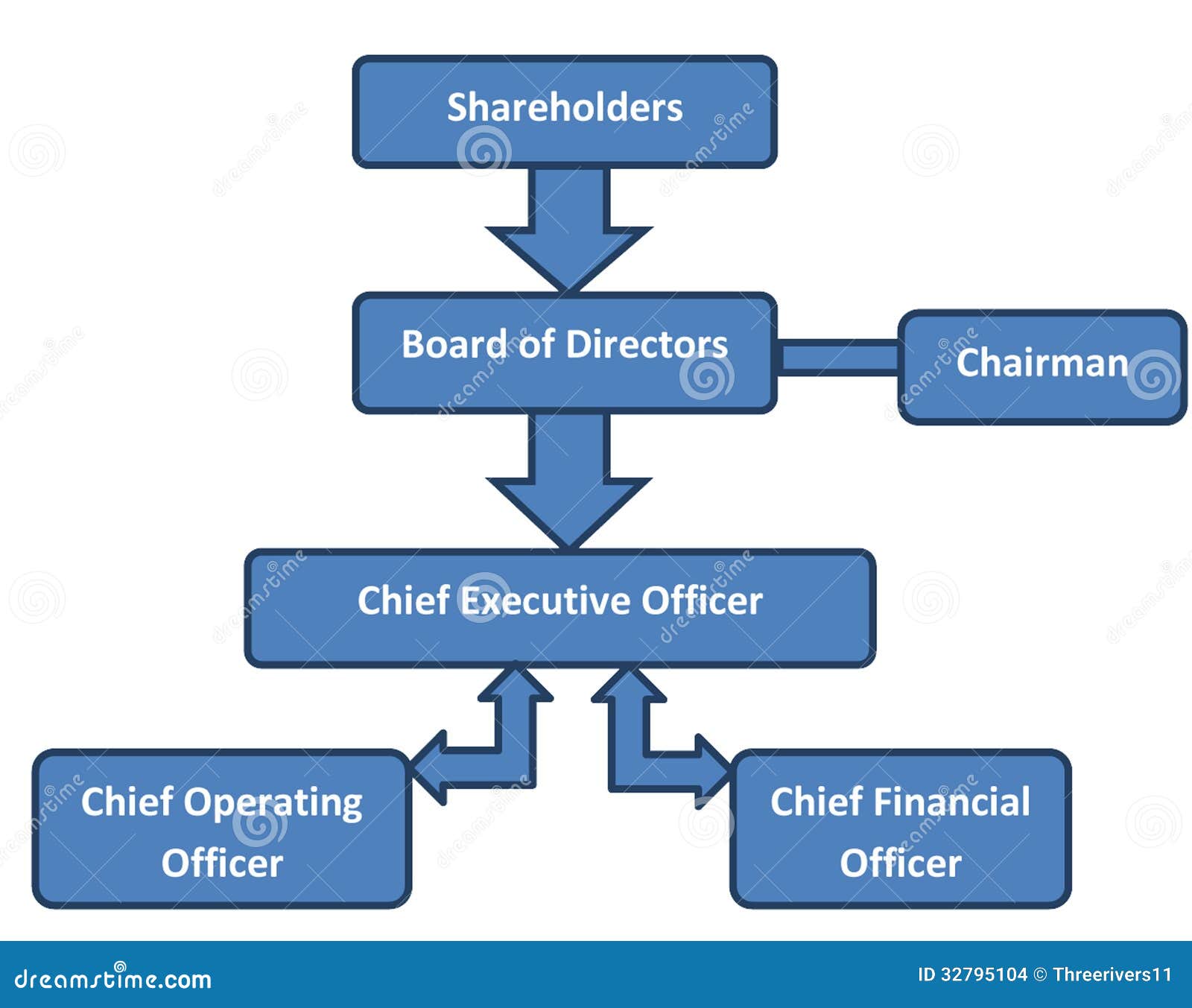
In recognizing the complexities of just how a company operates, it is vital to dive right into its structure and governance. A corporation, distinct in its lawful identity, is an entity efficient in exercising a number of the rights and obligations of a person. This arrangement allows corporations to own property, go into contracts, and participate in lawful procedures individually of their investors. The administration of a corporation is meticulously structured to ensure that all functional elements straighten with its tactical goals while sticking to ethical and legal criteria. At the helm of a firm's governance structure is the board of supervisors, a group of people chosen by the shareholders to look after the more comprehensive critical instructions of the business. These supervisors hold an essential duty in policy production and are crucial in making major choices that shape the company's future, including the visit of top-level executives such as the chief executive officer. Listed below this tier, the daily procedures are managed by numerous elderly execs that handle every little thing from advertising technique to finance and personnels. This split structure not only helps with efficient monitoring but likewise scaffolds a system of checks and balances that is crucial for any kind of huge organization. Corporate administration is underpinned by a set of plans recognized as bylaws, which specify the rules for business procedures and monitoring's communication with stakeholders and investors. These laws make certain that all activities taken are within the legal structure and reflect the corporation's objective and values, therefore safeguarding the passions of the investors and other stakeholders. As additional resources remain to progress, so also does the complexity of their governance structures, demanding ongoing adjustments to accommodate brand-new difficulties and chances in the worldwide market.
Functional and architectural Introduction of Corporations
Firms stand as intricate structures, developed to operate different ranges, from small startups to large international entities, each tailored to satisfy certain business objectives and market needs. At their core, firms are legal entities acknowledged by legislation as different from their owners, providing a crucial guard recognized as restricted obligation. This defense makes certain that the individual assets of investors are risk-free from business financial debts and legal activities, a vital factor encouraging investment. Inside, navigate to this site are regulated by a board of supervisors, chosen by shareholders, and tasked with major plan decisions and oversight obligations. This board appoints exec police officers, including a CEO, who handle the everyday operations and apply the board's techniques and plans. Functional practices within firms are greatly affected by their market, scale, and geographic reach. For instance, a technology company may invest greatly in study and development and maintain dexterous functional practices to promptly adapt to changing market demands and technical innovations. In contrast, a corporation in production could prioritize supply chain effectiveness and lean production strategies to lower prices and boost efficiency. Furthermore, multinational firms must navigate the intricacies of running throughout different lawful and cultural landscapes, calling for a nuanced method to management, compliance, and governance that respects regional laws and customs while maintaining overall company standards and purposes. In addition, the introduction of digital makeover has actually triggered companies to progressively depend on data-driven decision-making. Advanced analytics and AI are now typical in corporate strategies, enhancing everything from advertising projects to supply chain logistics. benefit corporation company examples but additionally presents brand-new difficulties in cybersecurity and data personal privacy. Consequently, corporations must continuously develop their functional approaches to leverage technological improvements while minimizing affiliated dangers, making certain sustainable growth and competition in a quickly altering global market.
Business Governance and Shareholder Duties
The structure and procedures of a firm are heavily influenced by its administration systems, which guarantee that the interests of investors and other stakeholders are adequately represented and managed. Corporate governance incorporates an array of techniques and policies that determine exactly how a company is managed and directed. This includes the processes where firms' objectives are established and sought, in the context of the social, regulatory, and market atmosphere. These structures are important as they assist the board of directors-- the group entrusted with making significant decisions regarding the firm's approaches and policies. Effective administration needs a balance in between the interests of the firm's many stakeholders, including investors, management, consumers, distributors, sponsors, federal government, and the community. While the board of directors is responsible for the administration of their companies, shareholders play a crucial role in the governance procedure as they have voting legal rights that can influence the direction of the company. Shareholders generally exercise their power throughout annual general meetings (AGMs) where they elect on various concerns, such as the election of supervisors or exec payment plans. This system of balances and checks contributes to a more transparent and accountable corporate management. Investors are progressively utilizing their impact to attend to wider concerns such as company ethics, environmental duty, and social justice, which reflects a shift in the direction of more mindful capitalism. As firms face growing scrutiny concerning their influence on culture and the atmosphere, the role of company governance in guaranteeing sustainable methods comes to be a lot more vital. Because of this, business administration not just forms the financial efficiency of a firm yet additionally influences its social contributions and ethical stature.
Strategic Growth and Obstacles in Modern Companies
In today's quickly evolving market, contemporary companies deal with a myriad of difficulties and opportunities that can substantially affect their critical development trajectories. As globalization intensifies, these companies are forced to navigate complicated global markets, adapt to diverse regulatory atmospheres, and fulfill the varying needs of an international customer base. This demands a robust method that not only focuses on broadening market reach however also ensures functional effectiveness and compliance across various jurisdictions. Modern technology plays an essential duty in this context, supplying corporations cutting-edge tools to enhance performance, improve client engagement, and drive affordable advantage. The adoption of artificial intelligence and machine understanding has transformed aspects of client solution and item growth, allowing companies to personalize experiences and anticipate market trends effectively. Nonetheless, integrating brand-new technology likewise offers considerable difficulties. The initial expense of execution can be high, and there is typically a considerable cultural shift needed within the organization to embrace digital improvements. Cybersecurity remains a vital worry, as more data-driven and interconnected modern technology landscapes increase susceptability to cyber attacks. Protecting consumer information and keeping privacy requirements is not just a technological need yet likewise an important element of keeping brand name depend on and legal conformity. Moreover, as firms broaden, taking care of a varied labor force and guaranteeing comprehensive corporate practices comes to be progressively important. This involves not only sticking to fair labor techniques globally but also promoting a comprehensive culture that sustains advancement and reflects the diverse markets they offer.
Strategically, companies have to constantly examine their company designs and market techniques to stay relevant and affordable. This may involve pivoting from standard practices, exploring brand-new sectors, or terminating unprofitable sectors while increasing down on core areas with the possibility for growth. Each decision needs to be backed by extensive market analysis and the versatility to adapt rapidly to market or technological changes. The ultimate challenge for modern-day firms exists in stabilizing these myriad variables-- leveraging innovation for efficiency, navigating international markets, preserving strict conformity, and fostering a cutting-edge and comprehensive corporate society-- all aimed at achieving lasting development in a vibrant global economic situation.