

Service firms are complicated entities that play an essential function in the international economy, promoting not only the exchange of goods and solutions but likewise providing chances for investment and employment. Structurally, a company company is a legal entity that is different and distinct from its owners, providing a critical layer of security called limited liability. This indicates that the personal possessions of shareholders are shielded from the firm's liabilities. Firms can increase funding by releasing stocks, which represent shares of possession and can be traded on public markets, using an unique advantage in regards to development and economic flexibility. The administration of these entities is generally managed by a board of supervisors chosen by the investors, that established broad plans and make decisions important to the wellness of the company.
The functional facets of a company are taken care of by its policemans, including the Chief Executive Policeman (CHIEF EXECUTIVE OFFICER), Principal Financial Police Officer (CFO), and others, who look after daily tasks and carry out the methods established by the board. This structure helps in distributing responsibilities and permits for specialized monitoring. Corporations are subject to rigorous regulatory settings that dictate transparency and responsibility, mainly to shield financiers and the public. They must regularly disclose financial information, which is crucial for financiers making informed choices. Additionally, while companies are praised for their ability to collect capital, they are commonly looked at for their ecological and social impacts. This has resulted in the increase of company social obligation (CSR) initiatives focused on ensuring that companies run in such a way that is not only financially successful however additionally socially and ecologically sustainable.
The Role and Framework of Business Corporations
Business companies are essential entities in the global economic situation, working as the engines that drive development, employment, and financial development. Structurally, a corporation is an intricate entity defined by its lawful difference from its owners, who are shareholders. This splitting up supplies investors with restricted obligation, indicating their personal properties are shielded from the company's liabilities. The administration of a corporation is commonly looked after by a board of directors, elected by the shareholders, that makes strategic choices and manages the organization's general instructions. Day-to-day operations, however, are handled by officers and execs designated by the board. This ordered structure permits for an effective department of labor yet additionally requires cautious oversight to stop problems of passion and guarantee accountability. Firms can increase funding extra easily than other business forms. They have the capacity to issue personal and public equity, as well as various kinds of debt tools, that makes them distinctly efficient in funding large-scale endeavors and increasing their operations internationally. This capacity to elevate considerable resources, combined with their longevity-- considering that they remain to exist past the lives of their owners-- makes companies a very favored version for many business owners and capitalists looking for to alleviate individual threats while pursuing considerable economic tasks.
Key Components of Business Firm Structures
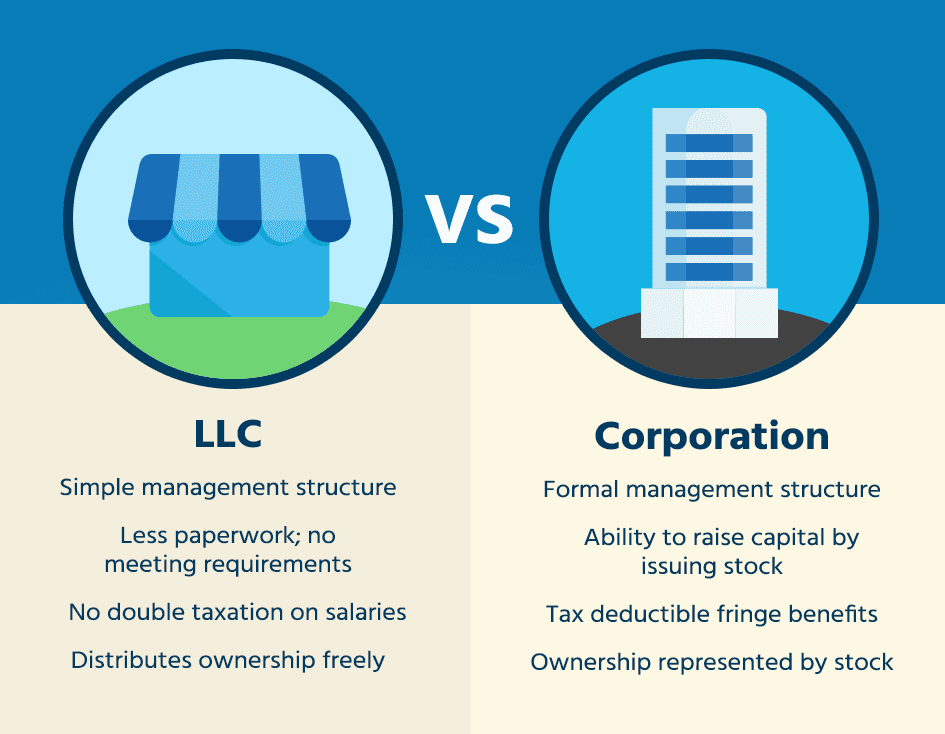
Recognizing the intricacies of business corporation structures is vital for entrepreneurs, capitalists, and legal advisors that navigate the complicated globe of business governance and money. At the core of these frameworks are the board of directors, investors, and corporate police officers, each playing a crucial role in the operations and tactical direction of the business. The board of directors is largely accountable for looking after the company's management and making certain that investor interests are represented and shielded. Commonly consisted of individuals elected by the investors, the board makes vital choices on business plans and techniques, and additionally picks and manages the business's executive officers. Investors, that own sections of the company via shares of supply, can elect on concerns, consisting of the election of directors and significant business actions like acquisitions or mergings. This ballot procedure supplies investors a way of influencing the firm's instructions, though their everyday involvement in procedures is generally limited. On the other hand, business officers, including the CEO, CFO, and others, are entrusted with the day-to-day management of the company, applying the techniques approved by the board to drive productivity and growth. Their duties consist of everything from monetary monitoring to critical preparation and functional oversight. The interplay between these duties ensures that a corporation keeps a balance of power and responsibility, important for healthy administration and company success. The effectiveness of a company typically pivots on how well these teams interact and meet their particular functions, contributing to the general sustainability and growth of the organization.
Corporate Framework and Governance in Company Firms
In the intricate globe of business corporations, recognizing the ins and outs of business structure and governance is vital for both stakeholders and management. how to search public records in california of an organization company is normally dictated by its legal form, which can vary from restricted responsibility firms to publicly traded corporations, each with its distinct set of policies and obligations. At the core of this structure is the board of directors, in charge of making essential strategic choices and supervising the overall instructions of the business. This board commonly contains a mix of internal and exterior members, each bringing a diverse collection of skills and point of views to the table. The outside directors are particularly vital in giving an unbiased sight on administration practices and company policies, thus making sure that the company sticks to a high criterion of governance and liability. The function of the Chief executive officer, who often serves as the bridge between the firm and the board's daily operations, is pivotal. her comment is here to not just implement the board's instructions however likewise keep a vibrant approach to handling the business staff and resources to accomplish critical purposes. This dynamic is further complicated by the need to balance shareholder interests with those of other stakeholders, consisting of employees, clients, and the areas in which the firm runs. Efficient corporate administration for that reason needs a distinct, transparent process, which is commonly enveloped in the firm's bylaws. These laws stated the treatments for resolving different business affairs, including the consultation and removal of supervisors, the scheduling and conduct of board conferences, and the rights and duties of shareholders. This way, company administration acts as a critical framework for maintaining the stability and efficiency of business procedures, making sure that the company can adapt to adjustments on the market and regulative setting while still fulfilling its obligations to stakeholders.
Strategic Monitoring in Service Corporations
In the dynamic realm of business, companies are constantly adjusting to maintain competition and ensure long-term success. Strategic monitoring plays an essential duty in this procedure, functioning as the foundation for decision-making and direction-setting at every level of the organization. At its core, calculated management includes the formula, implementation, and evaluation of cross-functional choices that enable a company to attain its goals. The procedure starts with senior leaders specifying a clear vision and goal, which after that lead the development of even more concrete strategies and goals. This top-down technique makes sure that all campaigns are aligned with the firm's overarching aspirations. Even more, calculated monitoring is not a fixed process but a continuous loophole of assessment and change. Environmental scanning, an essential part, includes the detailed evaluation of outside and inner elements that affect the firm. This includes examining market patterns, competitor actions, technological advances, and governing adjustments, as well as inner performance metrics. Insights obtained from this evaluation notify critical decisions, allowing businesses to take advantage of chances and alleviate possible dangers. A modern technology company might change its focus towards fabricated intelligence and maker learning based on patterns suggesting considerable growth in these markets. Calculated management includes the allowance of resources to make certain optimal execution of strategies. This calls for a delicate equilibrium in between temporary purposes and lasting objectives, typically necessitating compromises that are tactically warranted. Effective source appropriation also involves recognizing essential efficiency indications (KPIs) that are made use of to determine progression and establish the efficiency of implemented methods. Modifications are made based upon these efficiency results, leading to a refined tactical strategy. In s corporation california secretary of state , the significance of calculated monitoring in service companies can not be underrated. It not just offers a roadmap for browsing the facility organization landscape but likewise incorporates numerous practical areas of the company, making certain cohesiveness and synergy. With careful planning, strenuous analysis, and regular adjustment, strategic administration helps firms not just to endure yet to grow in today's ever-evolving market environments.